When data centers come to town, public works must be at the table
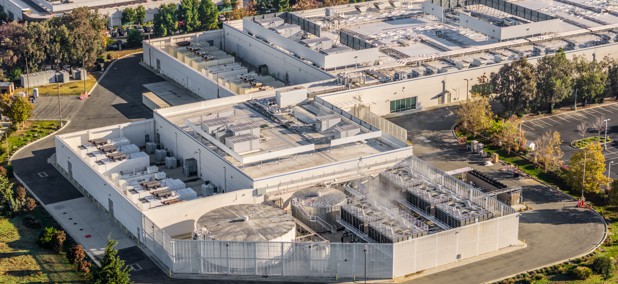
COMMENTARY | Data centers are not conventional projects, so questions about water, utilities, infrastructure, traffic, neighborhoods and more should be asked early.
The increasing demand for data storage and processing is driving the construction of data centers across the country, bringing both economic benefits and infrastructure challenges to local communities. As these projects require significant amounts of power, water, and other resources, public works officials must be involved early in the planning process to ensure that the necessary infrastructure is in place to support them.
Data centers are not your conventional development projects, and their unique demands can put a strain on local utilities and infrastructure. For example, they require large amounts of water for cooling, which can strain local water supplies, and they also generate a significant amount of traffic during construction and operation. Moreover, data centers often have specific security and reliability requirements that must be met, which can impact local emergency response planning.
As data center development continues to grow, it's essential for public works officials, local governments, and developers to collaborate to address these challenges. What to watch next is how cities and towns balance the economic benefits of data centers with the need to ensure that they are planned and built in a way that minimizes their impact on local infrastructure and communities. Effective planning and coordination will be key to ensuring that data centers are integrated into local communities in a sustainable and responsible way.
Originally reported by route-fifty.com. PersonelNews adds analysis for government & civic readers.